

Babesia – A Misunderstood and Underdiagnosed Vector-Borne Disease
Mar 29, 2026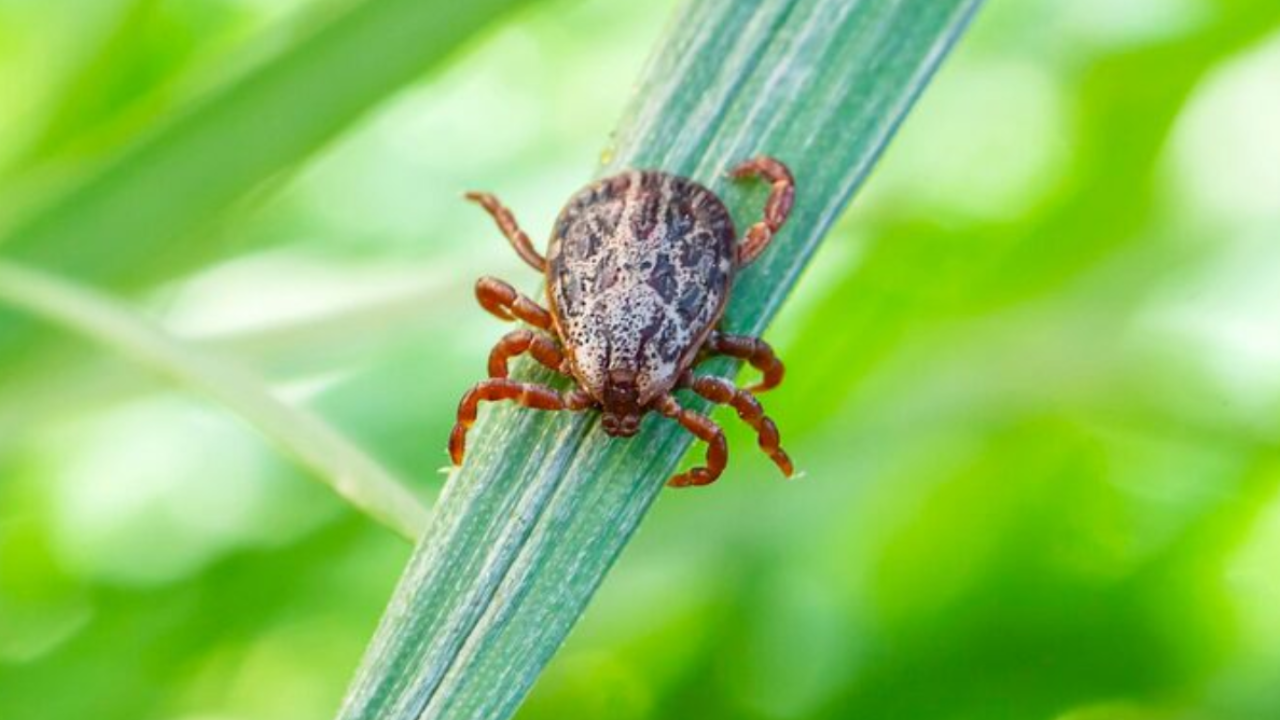
Babesia is one of the most underappreciated and prevalent Vector-Borne Diseases, found in up to 41% of ticks in CT and specifically, Babesia Odocoilei in 17.5% of ticks in PA. It is vital that we better understand and appreciate Babesia odocoilei.
Babesia odocoilei infection in humans was first described by Scott in the reference listed below, and then Maggi et al with a larger PCR-proven study in 2024. Interestingly, in the Maggi study, almost all of those also had PCR-proven chronic Bartonella infections. Many children may acquire Bartonella, either in the utero or postnatally, but in those who also acquire Babesia odocoilei, the addition of Babesia greatly increases the Bartonella-related inflammation and symptomatology. And as we know, it is the immune reaction to both that causes the severe neuropsychiatric manifestations.
Also, a study commissioned by 60 Degrees Pharmaceuticals indicates that babesiosis incidence in the U.S. is far higher than previously estimated, with at least 25,000 adults annually claiming reimbursement for related medical costs (compared to the CDC's 2,000 cases reported in 2020). These numbers reveal a significant discrepancy between the two datasets. The insurance claims (25,000) dwarf the CDC’s reported cases (2,000) by a factor of 12.5, with a difference of 23,000 cases. Of course, the actual numbers are most likely even more sobering.
The symptoms of chronic Babesiosis include:
- Unrelenting headache (especially head pressure)
- Paresthesias and dysautonomia
- Night sweats
- Rib and bone pain
- Cough and Air Hunger
- Encephalopathy, anxiety
- Myalgias and arthralgias
- Brain fog, depression, insomnia
- Gastrointestinal symptoms
Treatment in my opinion needs to include antiparasitic antimicrobials including herbals such as Cryptolepis, Chinese Skullcap and Artemisia Annua as well as Japanese Knotweed, Cat’s Claw, Houttuynia and Stevia. Medications can include Azithromycin, Atovaquone, Ivermectin, Quinines including Tafenaquine. Often there are reactions and side effects which are truly herxing. Also, Babesia odocoilei may require longer and more complicated treatments, including lumbrokinase to break up the fibrin nests.
The result of killing Babesia causes symptoms as above but also destroys RBCs and causes severe inflammation in infected organs that can elevate LFT's and pancreatic enzymes. For a person who is heavily infested with Babesia parasites, killing too many parasites at once can be difficult and even dangerous for the child and treatment may be very long which is why, again, I highly suggest the use of herbal formulations.
Testing:
- As we know, Vector-Borne Disease testing through conventional labs is not accurate
- Standard Babesia labs do not currently effectively detect Babesia odocoilei
- Babesia odocoilei may produce a false positive Babesia duncani test. So many people who have a positive Babesia duncani test may, in fact, have a Babesia odocoilei infection instead of a Babesia duncani infection.
Possible specialty lab testing to consider, in my opinion
- Galaxy Direct Detect PCR
- Igenex immunoblot and FISH
- T LABS FISH (for species and for Babesia odocoilei)
Other information on Babesiosis:
- Babesia microti does not sequester and does not produce chronic babesiosis.
- Babesia microti is the only Babesia species for which we have documented proof of maternal-fetal transmission.
- B. microti is more easily cleared by the body in immunocompetent persons, and cleared more quickly with the help of 10 days of atovaquone and azithromycin.
- B. microti is chronic only in immunosuppressed persons, whereas B. odocoilei is chronic in everyone.
- B. odocoilei serologically cross-reacts with Babesia duncani
- Although night sweats are a classic symptom, in some people, there may be no symptoms at all except low mental and physical stamina or encephalitis.
- The variation in presentation is immense.
References
- Breitschwerdt, E. B., Maggi, R. G., Bush, J. C., & Kingston, E. (2026). Babesia and Bartonella Species DNA in Blood and Enrichment Blood Cultures from People with Chronic Fatigue and Concurrent Neurological Symptoms. Pathogens, 15(1), 2. https://doi.org/10.3390/pathogens15010002
- Maggi RG, Calchi AC, Moore CO, Kingston E, Breitschwerdt EB. Human Babesia odocoilei and Bartonella spp. co-infections in the Americas. Parasit Vectors. 2024 Jul 11;17(1):302. doi: 10.1186/s13071-024-06385-4. PMID: 38992682
- Scott JD, Sajid MS, Pascoe EL, Foley JE. Detection of Babesia odocoilei in Humans with Babesiosis Symptoms. Diagnostics (Basel). 2021 May 25;11(6):947. doi: 10.3390/diagnostics11060947. PMID: 34070625
- Walsh DS, Looareesuwan S, Wilairatana P, Heppner DG Jr, Tang DB, Brewer TG, Chokejindachai W, Viriyavejakul P, Kyle DE, Milhous WK, Schuster BG, Horton J, Braitman DJ, Brueckner RP. Randomized dose-ranging study of the safety and efficacy of WR 238605 (Tafenoquine) in the prevention of relapse of Plasmodium vivax malaria in Thailand. J Infect Dis. 1999 Oct;180(4):1282-7. doi: 10.1086/315034. PMID: 10479159
- https://orcid.org/my-orcid?orcid=0000-0001-6565-4302

